

Training local trainers to strengthen Women's Health
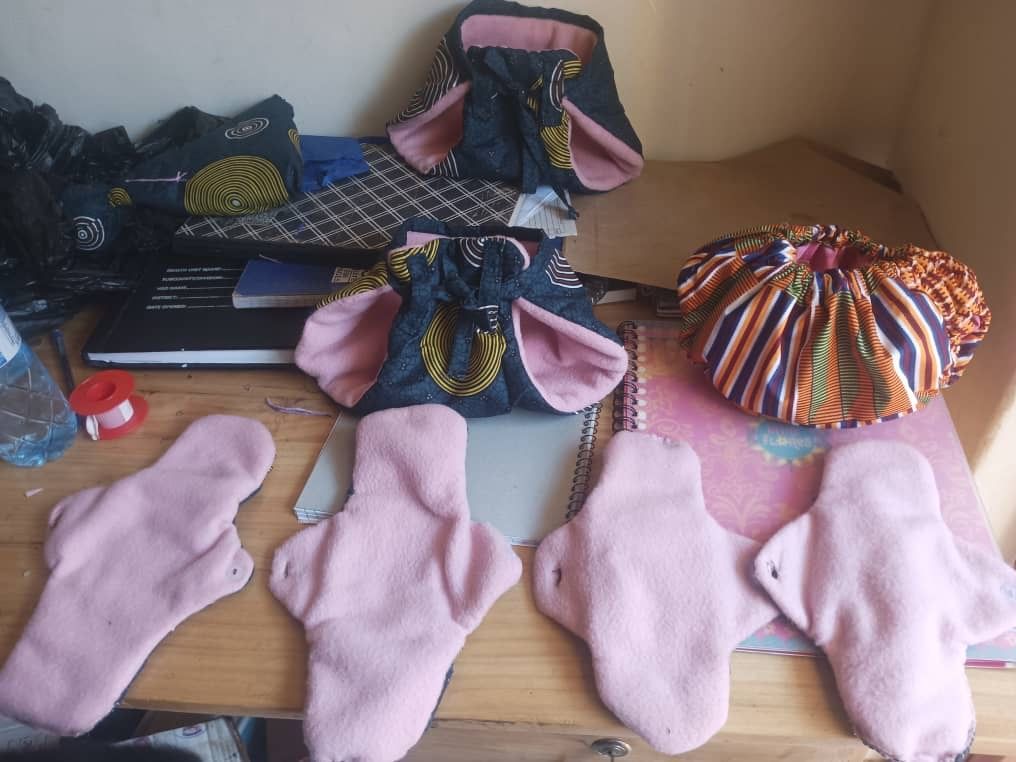
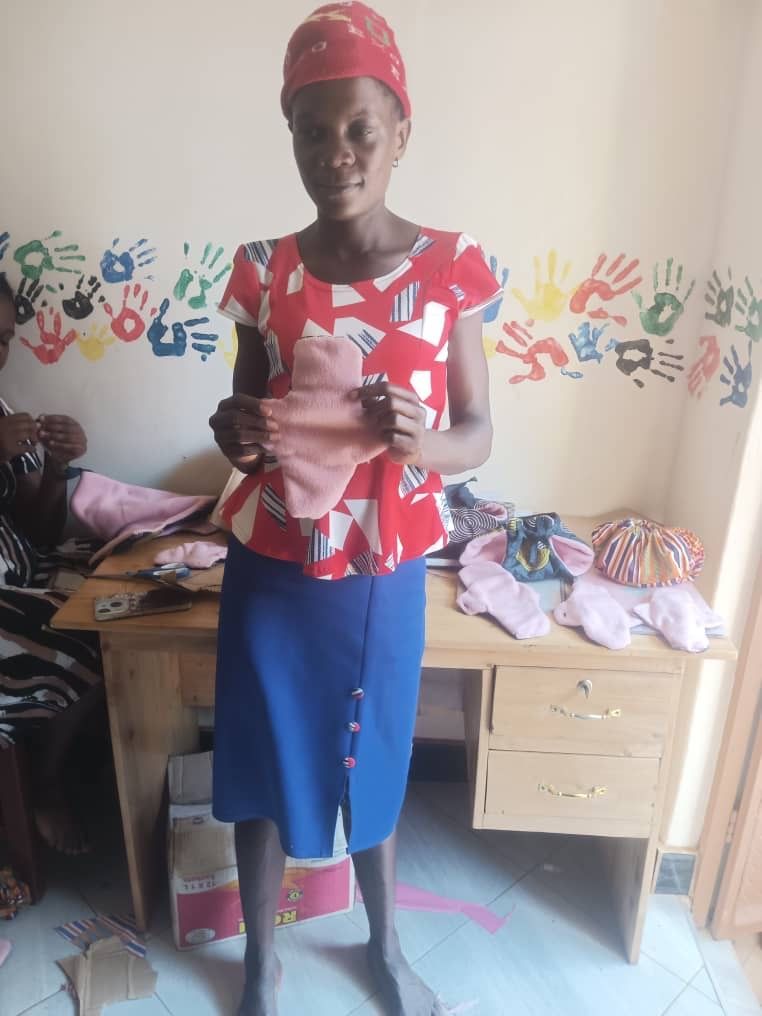
Making essential reusable menstrual pads and baby diapers
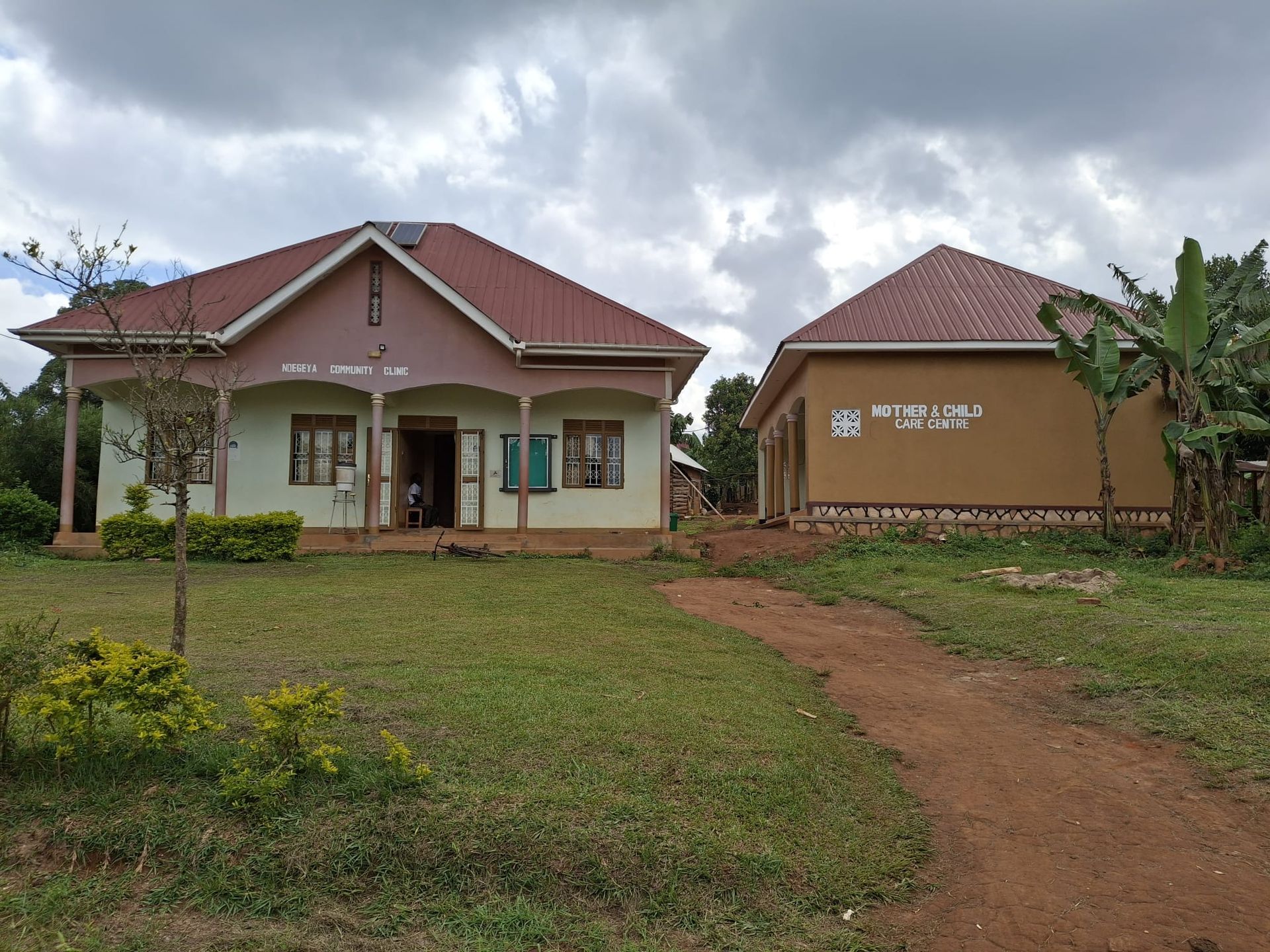
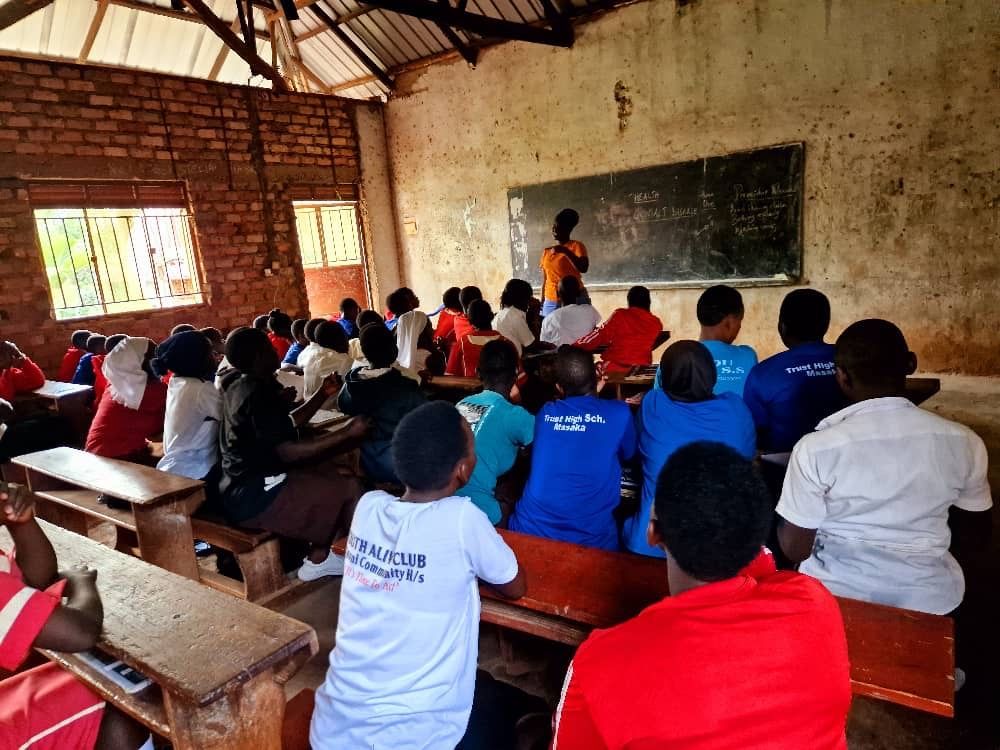
When our nurse of the Mother and Childcare Centre (MCC) asked girls during her health talks at the local high schools about the challenges they faced, one issue came up repeatedly: access to sanitary products during their menstrual periods. For many families, disposable sanitary pads are simply too expensive, leaving girls to rely on unsuitable alternatives that can affect their health, confidence and ability to attend school.
That conversation became the starting point for a practical, long-term solution.
We recently organised in partnership with Business for Better Society (BBS), a three-day Train-the-Trainer programme to help women and girls gain the skills to make reusable menstrual pads. During the planning phase, Hindura Recycling Initiative Limited (HRI), a Kampala-based social enterprise that facilitated the training, suggested expanding the programme to include reusable baby diapers. Given the work of the Mother Child Care Centre (MCC) with expectant mothers and young families, this was a natural addition.
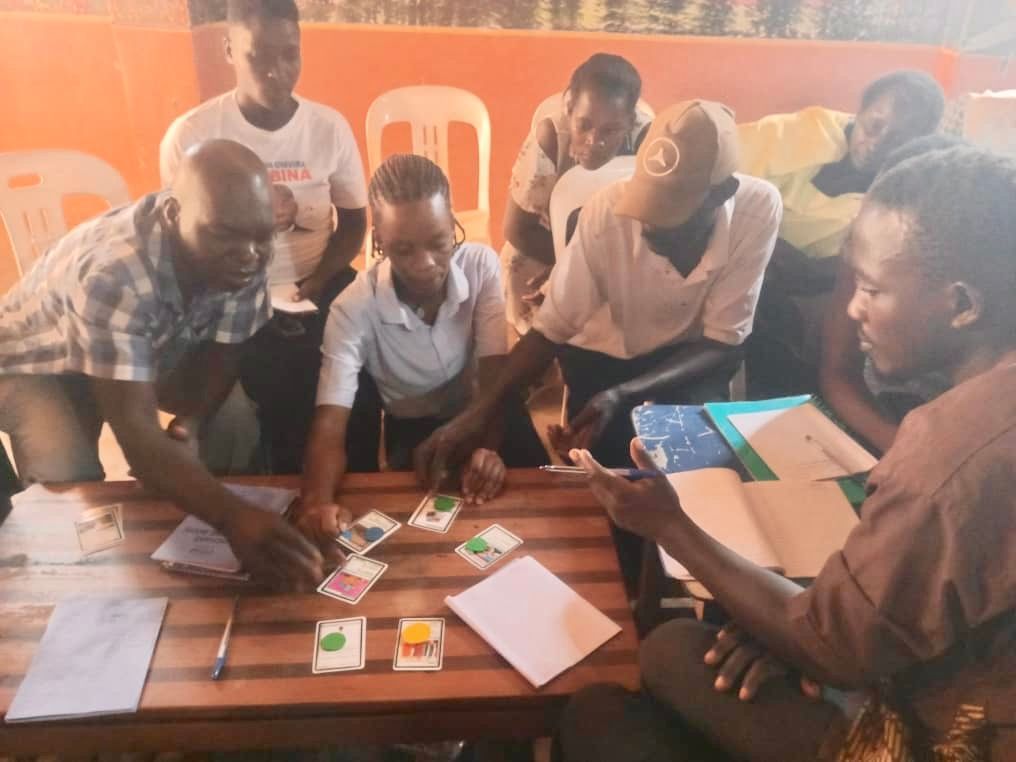
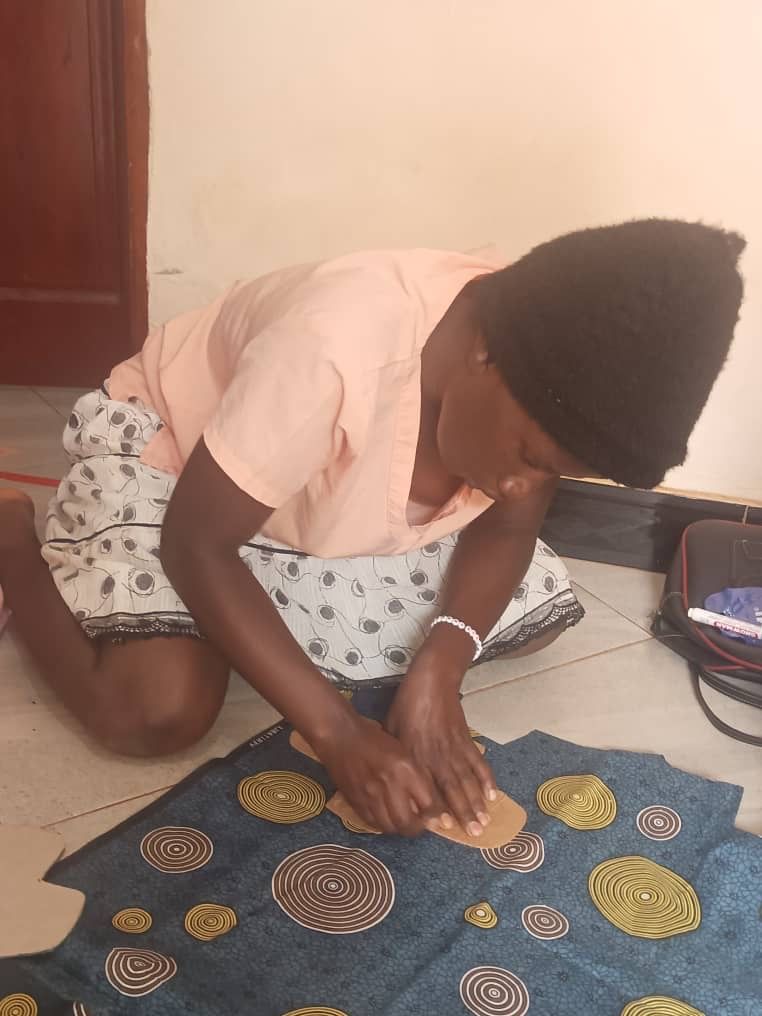
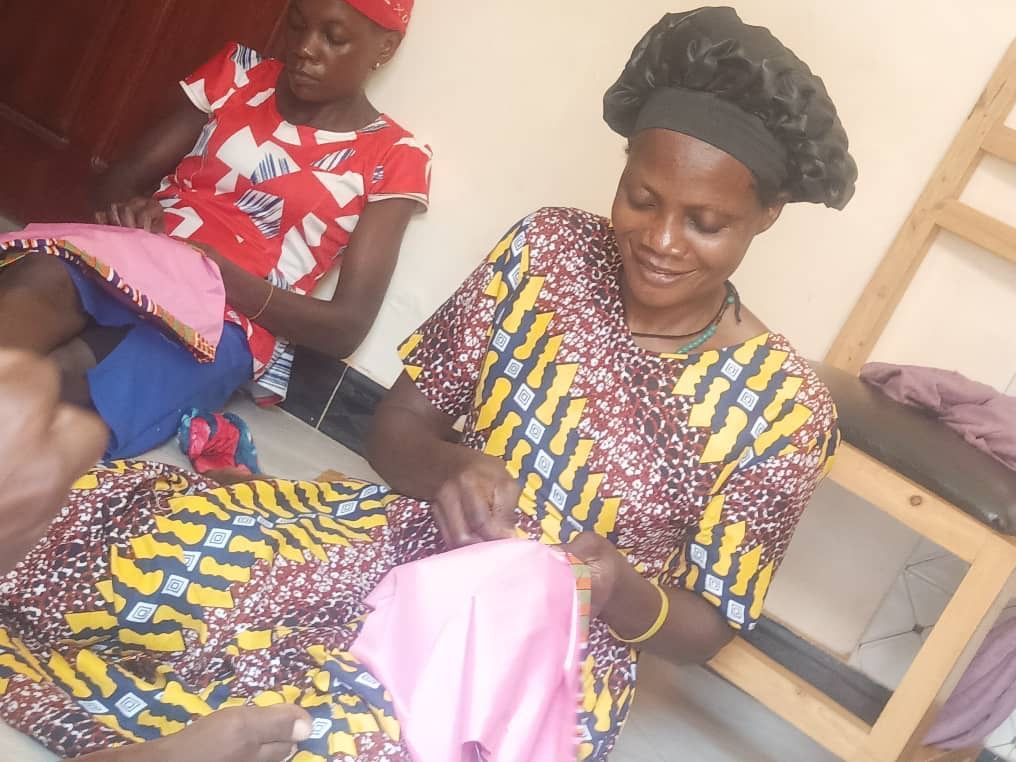
The training took place at the MCC from 21 to 23 July 2026. Over three intensive days, four participants learned not only how to sew reusable menstrual pads and baby diapers, but also how to use, wash and maintain them safely so they remain effective over time.
Rather than simply teaching four individuals a new skill, the programme was designed to create knowledge that stays within the community. Three participants were from Ndegeya and one from the neighbouring community of Sserinya. They are now equipped to pass their knowledge on to women and girls through schools, community groups and local organisations, enabling many more families to benefit in the years ahead.
The idea behind this Train-the-Trainer approach is simple: when local people become trainers themselves, the impact continues to grow long after the workshop has ended. As more women learn to make reusable menstrual pads, they become less dependent on products that many households struggle to afford. At the same time, reusable baby diapers can help young families reduce everyday expenses while providing a practical and sustainable alternative to disposable products.
Although this first workshop could only accommodate for four people, the potential reach is far greater. Over time, the programme could benefit more than 1,000 women and girls across the Ndegeya and Sserinya area as knowledge is shared from one household to another and from one generation to the next.
The programme also highlights what can be achieved when organisations combine their strengths. Through its ongoing work with the MCC and the Ndegeya Community Clinic (NCC), the Laudara Foundation was able to identify an important local need and coordinate the programme within the community. Business for Better Society brought its experience in delivering community-based skills programmes and secured donor support that made the training possible. Hindura Recycling Initiative Limited contributed the technical expertise, practical instruction and experience needed to ensure participants left with the confidence to teach others.
For the four new trainers, the workshop marked the end of three days of learning. For their communities, however, it is only the beginning. As they begin sharing their skills with other women and girls, the benefits of this initiative will continue to spread—improving menstrual health, supporting young families and building practical knowledge that will remain within the community for years to come.
This programme demonstrates how organisations can create greater impact by combining their skills, expertise and networks to help communities develop practical, lasting solutions.
Share this post: