Sack Gardens for Ndegeya

Irene Zijp • February 5, 2026

Growing Hope from Doorsteps

Imagine a mother in Ndegeya, Uganda, carrying her stunted child to the clinic. While waiting, she notices vibrant green nakati and kale sprouting from recycled sacks lining the entrance. She tastes a fresh leaf offered by the nurse. "This grows here?" she asks. That's the moment sack gardens change everything.

In Ndegeya's nine villages near Masaka, families face daily battles: no land for vegetables, UGX 5,000 per kilo for market greens, and 25-29% of children too short for their age from posho-and-beans diets missing vital nutrients. The Laudara Foundation launches Sack Gardens for Ndegeya doorstep gardens that fight hunger, create income, and build self-reliance.


From Empty Sacks to Full Plates

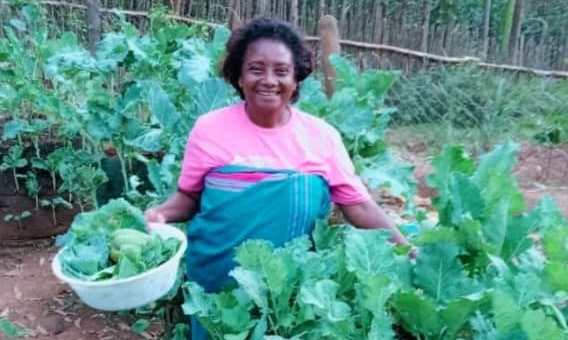
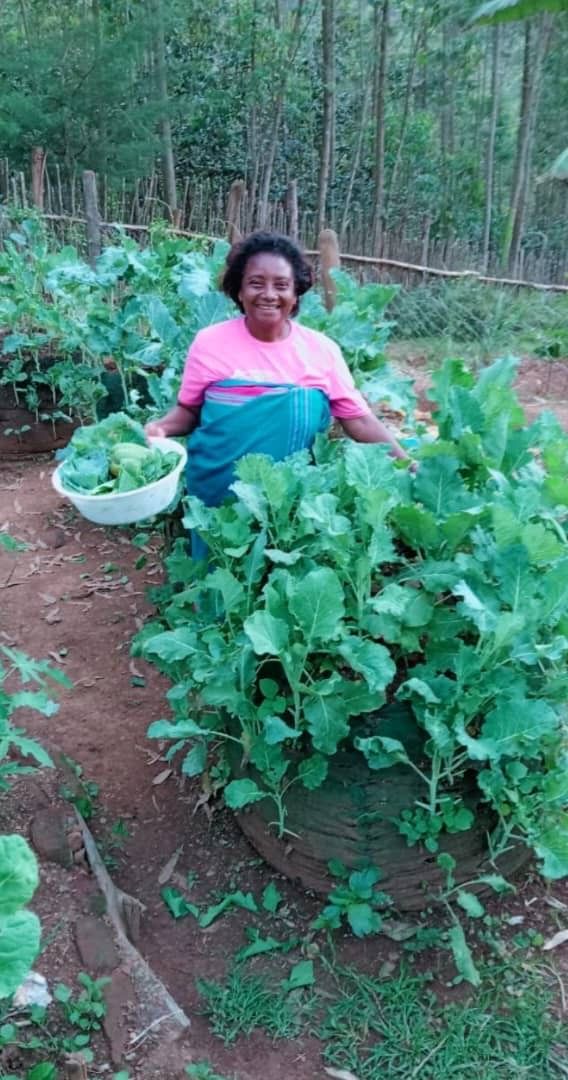
Sack gardens work simply. Take a 50kg grain sack, fill it with soil mixed from nearby Lwannunda farms, add a central gravel column for even watering, cut holes along the sides, and plant kale or nakati at 45-degree angles. Plants grow outward while tomatoes or peppers rise from the top. Marigolds at the base naturally repel pests. Water once daily from the borehole. In four weeks, harvest the outer leaves. One sack yields 2kg monthly—enough for a family of five.

This isn't experimental. Kibera slum mothers scaled from two sacks to ten. Kampala urban farmers earn steady income. In Ndegeya, where posho dominates meals, these greens deliver the missing iron, vitamins A and C, and calcium that prevent permanent stunting damage after age two.

The Five Problems We Solve

Ndegeya families lack space, cash, water, pest protection, and nutrition. Sack gardens solve all five simultaneously. Doorstep gardens need no land—just space beside the cooking area. They slash vegetable costs by 70%. Nutrient-dense nakati fights stunting directly. Gravel columns cut water use in half during dry spells. Companion planting with onions and marigolds keeps bugs away organically.

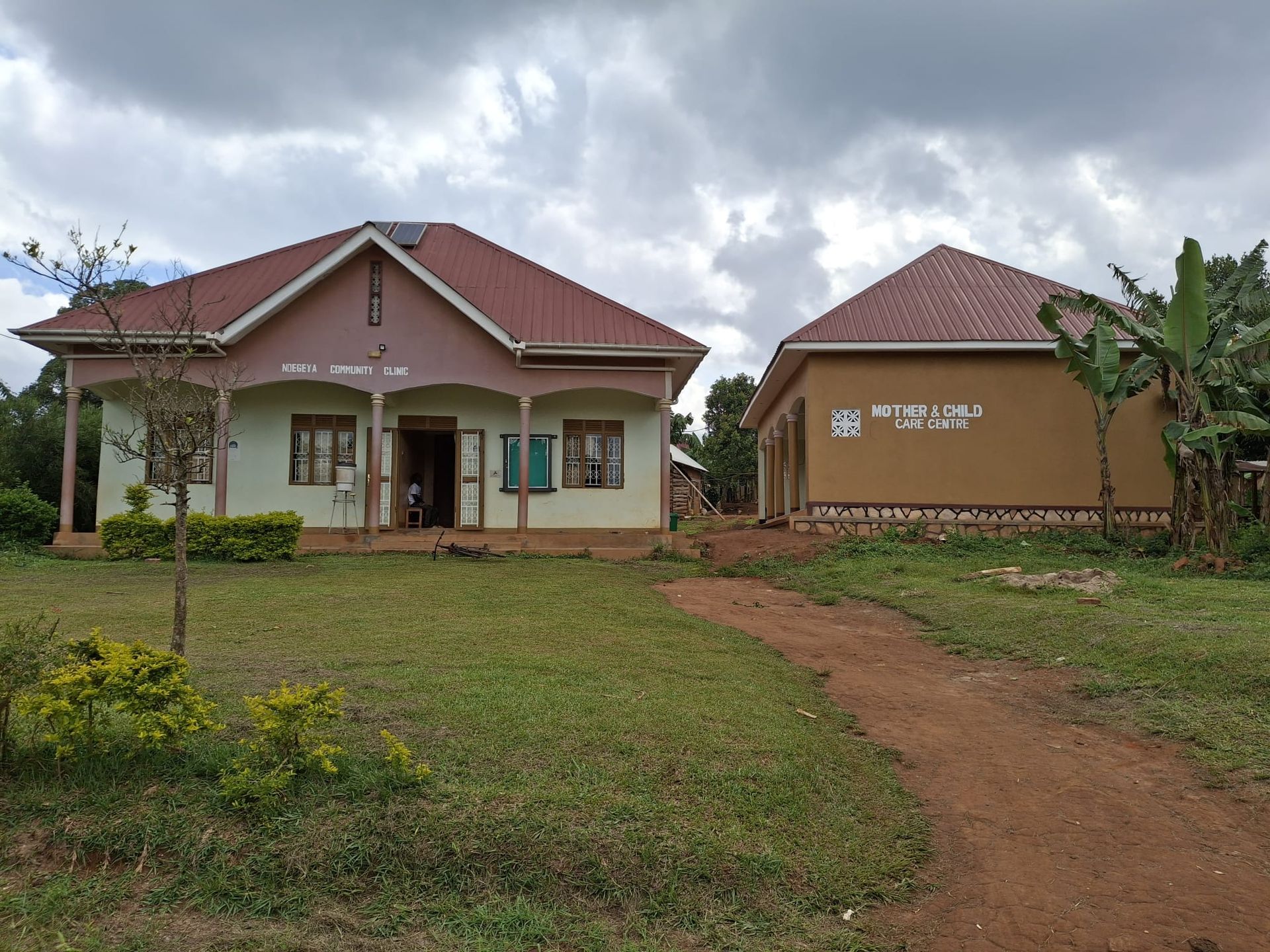
We start proof right at our existing Laudara clinic and mother-child center. Five demonstration sacks go live where hundreds visit weekly. Package one at the entrance shows nakati cascading from sides with tomatoes rising above. Package two in the waiting area teaches during mother-child sessions. Nurses harvest leaves for staff lunches, proving they're edible. Ten-minute "Garden Talks" explain the math: one sack equals 50% of a family's vegetable needs.

Mothers waiting for checkups taste the greens. They see growth charts improve with nutrition. Families ask for home kits. Nurses sell cuttings for UGX 500 each to fund the rollout. Clinic traffic becomes our free advertising.


First Village, Twenty Families

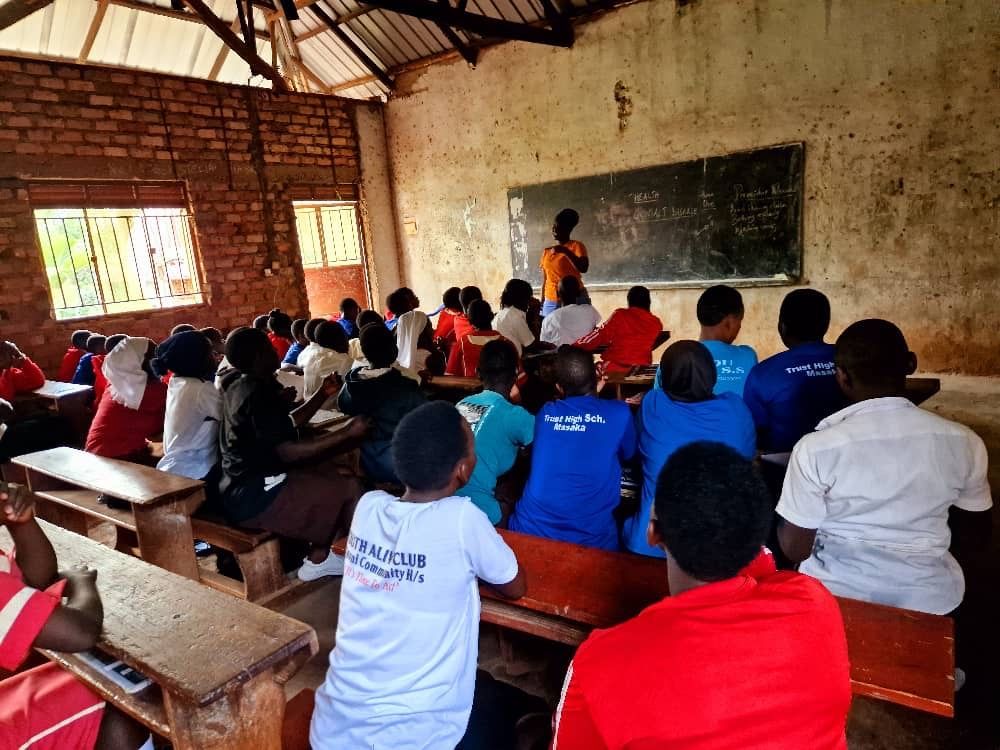
Day one, we collect free sacks from Masaka mills. LC1 leaders select twenty motivated women and youth-headed households. Day eight, clinic demos spark demand. Day fifteen, church training teaches hands-on sack building. Families take their kits home via boda-boda. WhatsApp groups share pest-fighting tips.

Total cost stays lean: UGX 170,000 for twenty families plus demos. In three months, sales make it self-funding. First harvests come week four—perfect timing for reinvestment.
Three Lives Changed Forever

Healthier families eat iron-rich greens daily, cutting stunting risks while boosting adult immunity and maternal health. Economic freedom arrives through UGX 5,000 weekly market sales plus barter networks swapping greens for neighbors' eggs and bananas. Stronger communities emerge as champion families train Village Two, women's groups earn UGX 50,000 monthly selling to Masaka hotels, and Ndegeya earns fame as "the green village."

Barter markets spring up naturally. Church demonstrations spread knowledge. Clinic nutrition education ties gardens to growth charts. Every element feeds the next, creating contagious change across nine villages.


Perfect Fit for Laudara

This embodies our Health-Education-Income pillars. Clinic demos improve health outcomes. Hands-on trainings build skills. Sales create sustainable income. Our motto—Laugh, Dare, Raise Up—lives in every thriving sack. Having built clinics, boreholes, and reading programs in Ndegeya, sack gardens complete our ecosystem.


Join the Doorstep Revolution

For €10, sponsor one family. The families will get two sacks, training and support. This will provide them with two kilos of greens per month, healthier children, extra income. €100 funds the pilot. €200 transforms one villages.

Donate kits today. Volunteer for trainings. Connect us with local partners.


Together, we'll fill every Ndegeya doorstep with green hope—one sack at a time.

Share this post:

By Irene Zijp January 27, 2026
How the Idea of a Community Mill Began
By Kelly Brantner January 24, 2026
Laudara's 2026 Community Milling Initiative
Hands preparing a syringe for injection; white background with blurred text.
By Irene Zijp December 29, 2025
Ndegeya Now Vaccinates On-Site 
A group of people sitting outdoors on a bench. They are gathered in a green space.
By Irene Zijp November 11, 2025
Working with and through the local experts
By Irene Zijp October 28, 2025
Laudara Foundation supports new mothers with baby packs
By Irene Zijp September 26, 2025
How Ndegeya’s Elders Are Surviving Against All Odds
By Irene Zijp July 18, 2025
One Year One of special care for pregnant women
Baby in a red dress smiles, touches face; lying on a blue-patterned surface.
By Irene Zijp June 25, 2025
The Importance of a Good Start: Supporting New Mothers and Babies in Ndegeya
Newborn baby wrapped in a white blanket, wearing a patterned cap, asleep.
By Irene Zijp May 25, 2025
The Necessity of Vaccinations
By Irene Zijp May 12, 2025
The Fight Against Malaria in Ndegeya