


This approach is informed by proven experience elsewhere in rural Africa. In Morogoro, Tanzania, grain millers formed a cooperative milling cluster that transformed small, individual operations into a coordinated and professional enterprise. Through collective management and access to training, the cooperative improved flour quality, strengthened governance, and expanded access to milling services for large populations dependent on maize and sorghum as staple foods. The Morogoro example demonstrates how cooperative milling enterprises can become engines of local economic activity when they are rooted in community ownership and skills development.
Where the Harvest Stays Local
Kelly Brantner • January 24, 2026
Laudara's 2026 Community Milling Initiative
In 2026, Laudara will focus its work and resources on supporting community-led economic development in Ndegeya. One of our projects is the establishment of a Community Milling Association and the conversion of an existing building into an association owned milling enterprise. This project reflects our commitment to practical, sustainable development that strengthens livelihoods, builds local capacity, and keeps economic value within the community.
For farming families in the region, maize is a staple food and a primary source of income. Yet the lack of local milling services means many farmers travel long distances to process their crops, increasing costs and reducing the value of their work. By creating a locally operated milling facility, this initiative will reduce the farmer’s expenses, save time, plus ensure that money spent on milling remains in the local economy.
The Community Milling Association is inclusive, bringing together members from across age groups and social roles to reflect the diversity of the region. This association structure promotes shared ownership, transparent governance, and collective responsibility. By centring local leadership and decision-making, the project strengthens community trust and increases the likelihood that the enterprise will remain viable well beyond its initial launch.

Beyond providing a critical service, the milling enterprise will function as a platform for skills development and job creation. Community members involved in the mill will gain hands-on experience in equipment operation, basic maintenance, financial record-keeping, customer service, and association management. These transferable skills enhance employability and support future entrepreneurship. The mill will also create direct employment while stimulating indirect income opportunities such as the use of milling by-products such as maize bran for livestock feed.
Evidence from rural Africa underscores the impact potential of this type of investment. Research from Ethiopia shows that grain milling contributes close to twenty percent of employment in some rural industrial sectors, making it a significant source of non-farm income. Additional studies indicate that households with access to local milling services can reduce grain processing and transport costs by up to thirty percent, freeing resources for education, healthcare, and agricultural reinvestment. These outcomes align with our focus on sustainable, people-centred development.
Share this post:
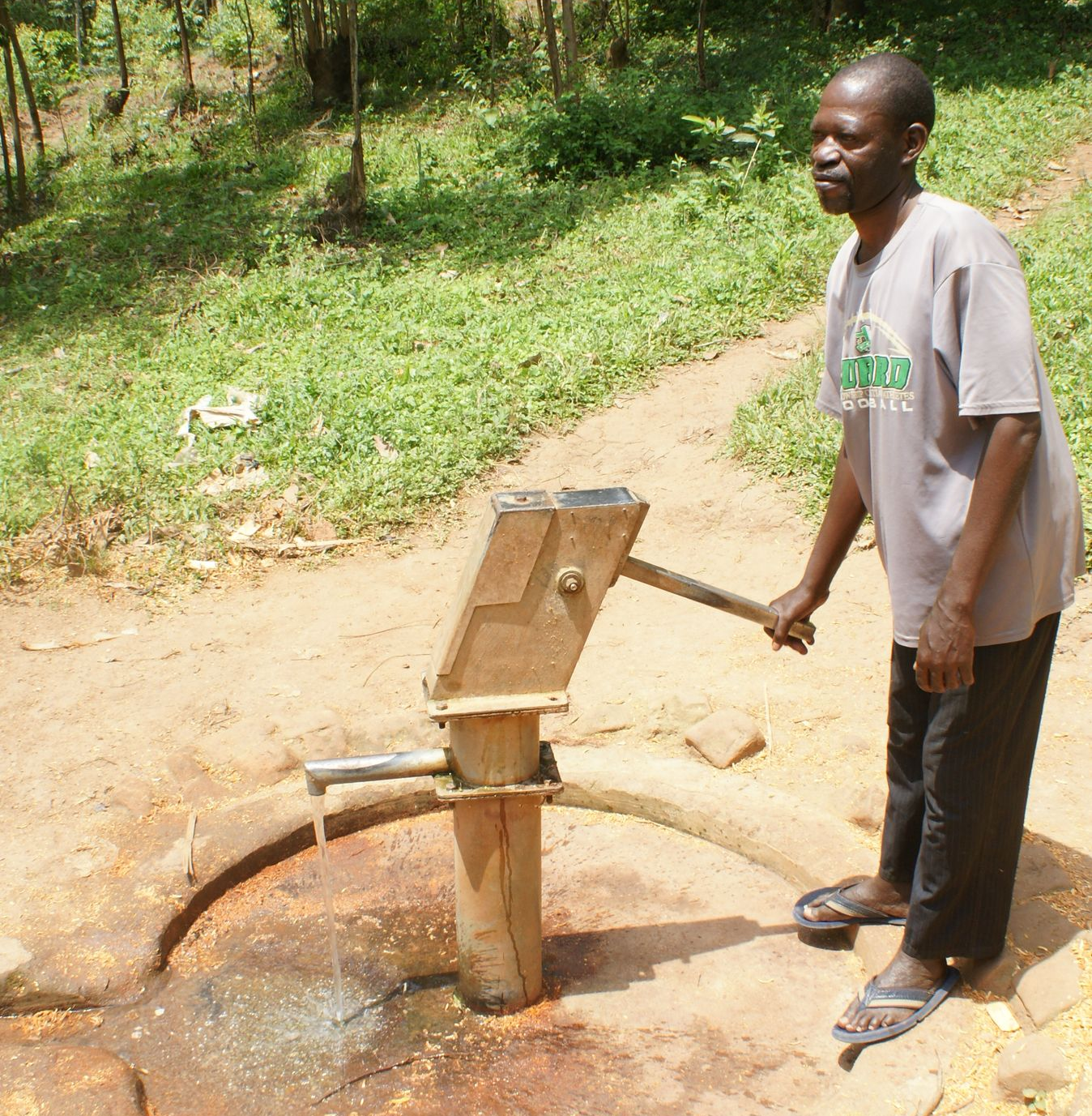
How reliable access to clean water made a difference during Uganda’s prolonged drought
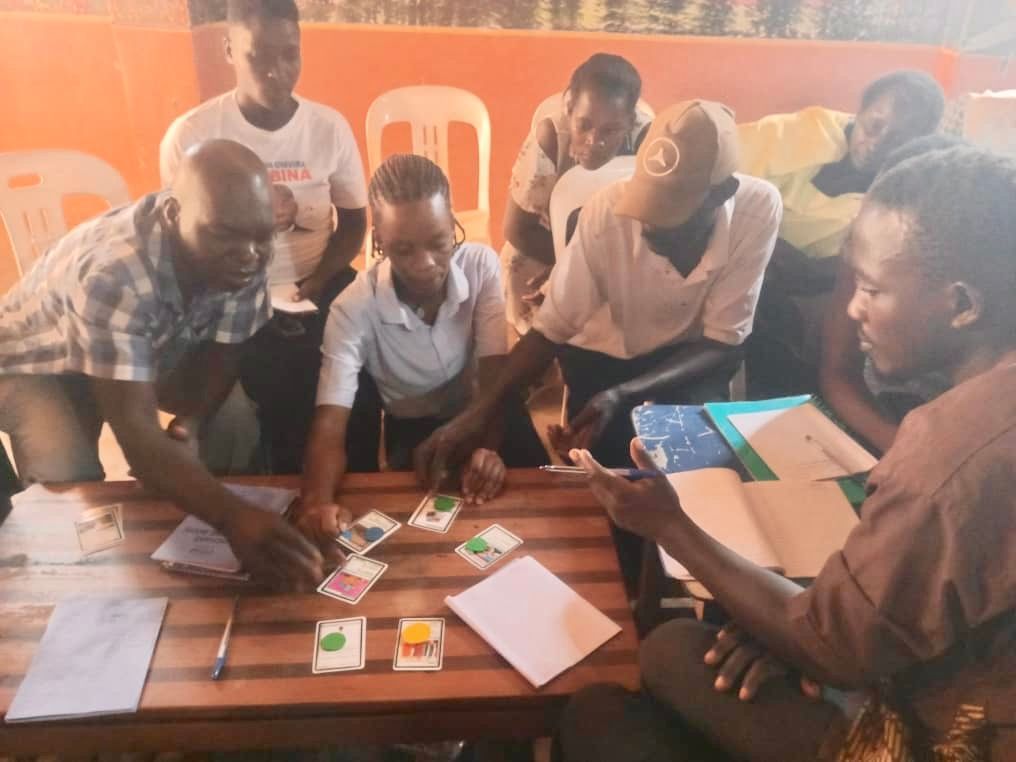
The first Business Game training in Luganda shows the value of learning through experience

Making essential reusable menstrual pads and baby diapers
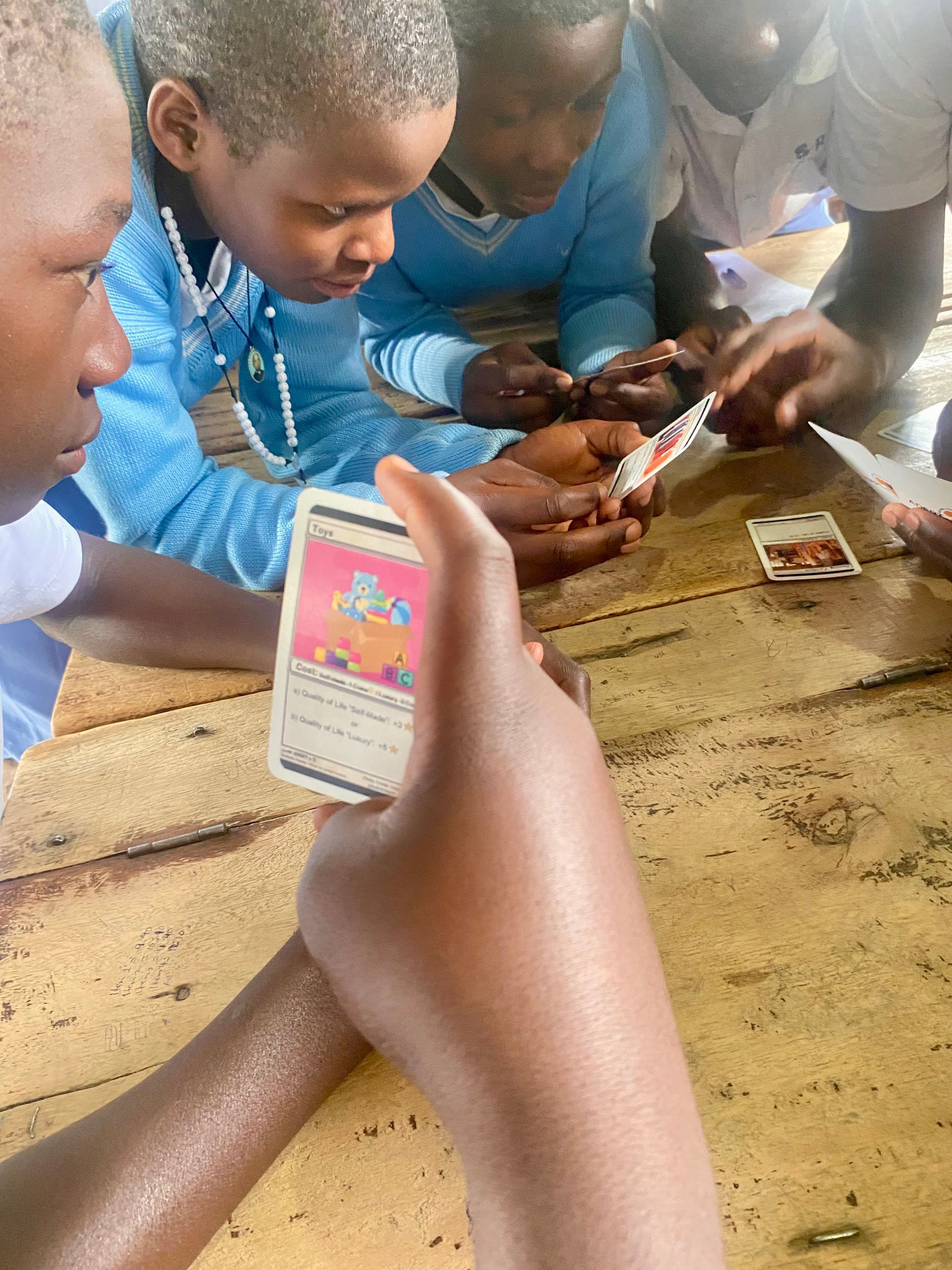
Empowering Communities Through Financial Education
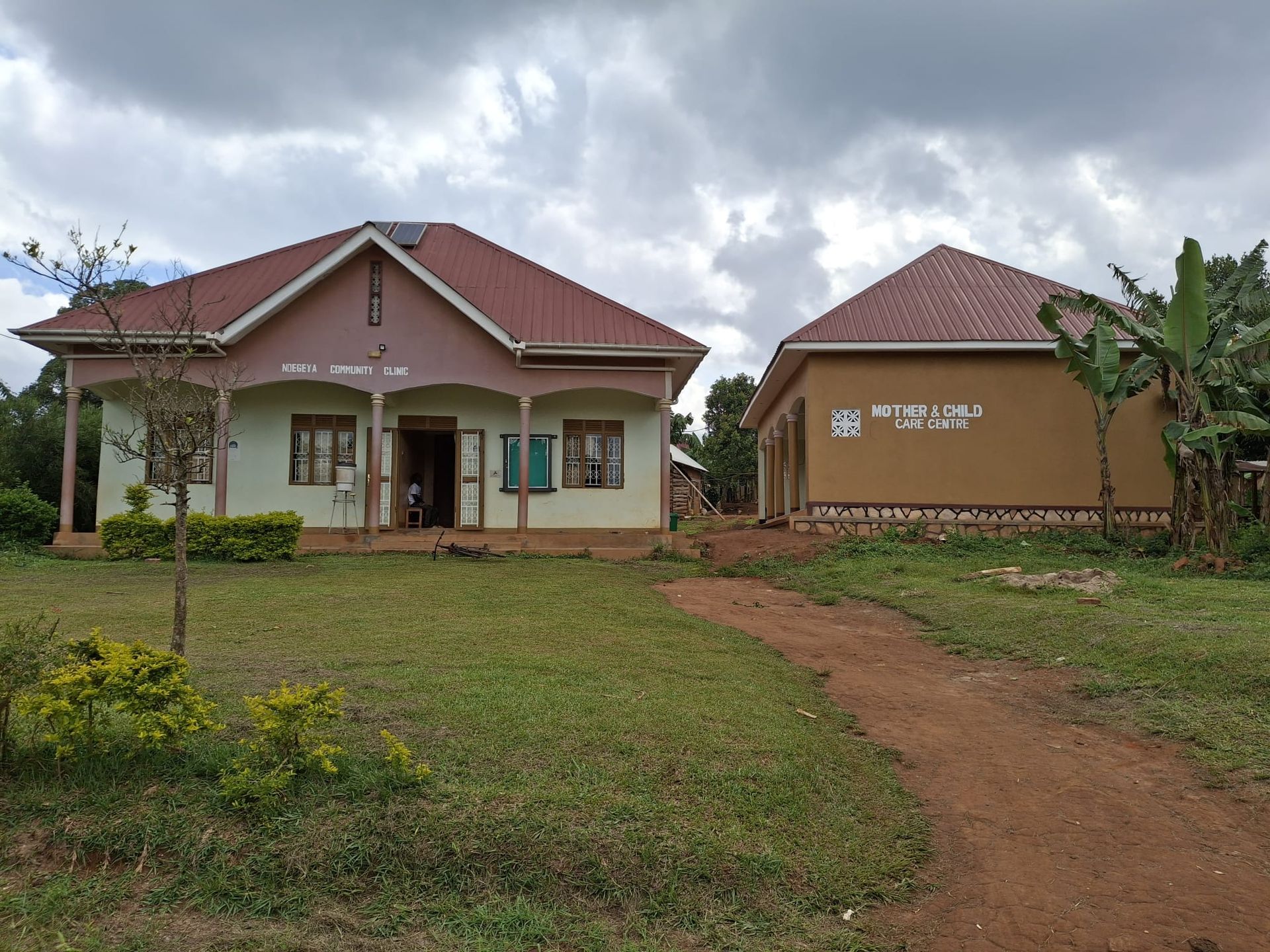
How Ndegeya Community Clinic is expanding its reach and transforming healthcare

Ndegeya, Nursing, Baby, MCC, Training
Empowering Women Farmers 2026
Empowering Youth Through Health Education
NCC’s Efforts to Support Ndegeya’s Communities
Growing Hope from Doorsteps